
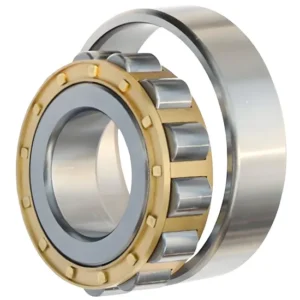
NTN NSK N2216e NJ2216e Cylindrical Roller Bearing
View Details
SKF

-- SKF Authorized Engineering Partner
FAG Turbocharger Angular Contact Ball Bearing — P4 precision single row design with 30×47 mm dimensions optimized for high-speed turbocharger systems.
15+ Certified Engineers On-Call
Free application analysis · Failure diagnosis · Custom modification guidance. Response within 24 hours.
Full Brand Authorization — Consolidate mixed-brand requirements into a single shipment without juggling multiple vendors.
| Parameter | Value |
|---|---|
| Product Type | Angular Contact Ball Bearing |
| Precision Class | P4 |
| Number of Rows | Single Row |
| Material Options | Available in standard bearing steel, ceramic hybrid, or stainless steel variants |
| Cage Options | Available in machined brass, pressed steel, or polyamide variants |
| Application Focus | Turbocharger systems, machine tool spindles, high-speed pumps |
| Origin | China |
| Industry | Typical Applications |
|---|---|
| Automotive & Heavy Duty | Turbocharger shaft support, exhaust gas energy recovery systems |
| Machine Tool | High-frequency motorized spindles, precision grinding headstocks |
| Fluid Machinery | High-speed centrifugal pump shafts, compressor rotor supports |
| Automation | High-speed robotic joint actuators, precision rotary indexing tables |
Dimensional alignment alone cannot prevent thermal binding in extreme rotational environments.
I once investigated a catastrophic failure on a high-speed spindle in a Yangtze Delta machining center. The maintenance team replaced the original bearings with units that matched the exact bore and outside diameter, but overlooked the precision class and internal clearance. Within hours, vibration levels spiked, and the shaft seized. In turbocharger environments, where rotational speeds and thermal gradients are even more aggressive, ignoring the precision suffix or contact angle during cross-referencing leads to rapid cage degradation. Sourcing from a reliable FAG turbocharger angular contact ball bearing supplier ensures that the internal geometry, not just the outer envelope, is engineered to withstand these extreme operational stresses [NEED_CITE: rolling bearing failure mode classification per ISO 15243].
Selecting the right component for a turbocharger requires looking far beyond the outer dimensions. A genuine FAG turbocharger angular contact ball bearing supplier provides units where the internal raceway curvature and contact angle are specifically optimized to handle the combined radial and axial loads generated by the turbine and compressor wheels. This exact geometric matching ensures stable shaft flotation and prevents the micro-sliding that typically accelerates wear in high-speed turbo machinery.
Turbocharger shafts operate under severe thermal gradients, with the turbine end experiencing intense heat while the compressor end remains relatively cool. This temperature differential drastically affects internal clearance and lubricant viscosity. If the clearance class is not matched to the operational thermal expansion, the bearing can either run too loose, causing destructive vibration, or too tight, leading to thermal seizure. Furthermore, maintaining an adequate lubricant film at extreme rotational speeds requires specialized cage designs that minimize friction and prevent oil starvation [NEED_CITE: thermal expansion effects on bearing internal clearance per ISO 281].
Achieving P4 precision class is critical for minimizing runout and maintaining the tight clearance tolerances required by turbocharger housings. This precision ensures that the inner and outer rings maintain strict dimensional and running accuracy, reducing high-frequency vibration. Depending on the specific thermal and chemical exposure of the application, these bearings are available in ceramic hybrid configurations to reduce centrifugal forces on the rolling elements, or stainless steel variants for environments with higher corrosion risks. The choice of cage material—whether machined brass for high-speed stability or polyamide for lower friction—must also be aligned with the specific lubrication and speed parameters of the turbocharger system.
Procuring a bearing based solely on the base designation while ignoring critical suffixes leads to severe operational consequences. Installing a standard precision bearing in a turbocharger application results in excessive shaft runout, causing the turbine wheel to rub against the housing. This premature failure triggers unplanned downtime, voids equipment warranties, and can cause catastrophic damage to the entire turbocharger assembly. The cost of a replacement bearing is negligible compared to the financial impact of a halted production line or a destroyed engine block [NEED_CITE: economic impact of unplanned downtime in rotating equipment].
Sourcing from an authorized FAG turbocharger angular contact ball bearing supplier means every order is backed by rigorous technical verification. We do not just match the 30 mm bore and 47 mm outside diameter; we verify that the contact angle and clearance class perfectly align with your turbocharger OEM specifications. Our cross-brand interchange expertise ensures that if an alternative is required, the replacement matches the exact internal design and precision class, preventing the thermal binding issues common with superficial substitutions. Furthermore, every batch is fully traceable to the manufacturer, eliminating the risk of counterfeit units with soft inner rings that fail under high-speed centrifugal loads.
To ensure the selected bearing perfectly matches your turbocharger requirements, please provide the specific equipment model, operating speeds, and expected thermal gradients. Supplying the exact installation space constraints and load profiles allows our engineering team to determine the optimal internal clearance and cage configuration. This technical review guarantees that the final selection delivers maximum operational stability and prevents premature failure in high-speed applications.
Q: How do we determine the exact bearing specifications from turbocharger equipment parameters?
A: Determining the exact specifications requires analyzing the turbocharger’s maximum rotational speed, operating temperature gradient, and combined load profiles. By providing these equipment parameters along with the OEM housing dimensions, our engineering team can calculate the required internal clearance and select the appropriate precision class and cage material to ensure stable high-speed operation without thermal binding.
Q: What are the common failure modes in high-speed turbocharger applications?
A: Common failure modes include thermal seizure due to incorrect internal clearance, cage degradation from inadequate high-speed lubrication, and excessive vibration caused by insufficient precision classes. When the contact angle or preload is mismatched to the turbocharger’s axial thrust, it leads to rapid raceway wear and premature shaft failure, as classified under standard bearing failure modes.
Q: Why must clearance, cage material, and precision be aligned during cross-referencing?
A: Aligning these three factors is critical because a base dimension match does not guarantee operational survival. A standard clearance bearing will seize under turbocharger thermal expansion, while an incorrect cage material will fail at extreme RPMs. Ensuring all three parameters match the OEM design prevents the destructive vibration and thermal binding that cause catastrophic high-speed failures.
Q: How can we verify the authenticity of the supplied bearings?
A: Authenticity is verified by scanning the QR codes on the packaging using the official brand application, which confirms the batch and lot traceability directly with the manufacturer. Additionally, we provide comprehensive documentation, including Certificates of Conformity and dimensional inspection reports, ensuring every P4 precision bearing meets strict original equipment standards.
Q: What are the recommended mounting practices for P4 precision bearings?
A: Mounting P4 precision bearings requires meticulous cleanliness and controlled thermal expansion. The inner ring should be mounted using calibrated induction heating to avoid localized overheating that distorts the raceway. It is crucial to apply force only to the ring being press-fitted and to ensure the turbocharger housing is perfectly aligned to prevent brinelling the precision surfaces.
Main shaft, gearbox, and generator bearings for onshore and offshore wind turbines. Engineered for 20+ year service life.
Crushers, conveyors, and processing equipment bearings designed to withstand shock loads and contaminated environments.
Rolling mill and continuous casting bearings rated for extreme temperatures, heavy loads, and aggressive lubricants.
Hub units, transmission, and electric motor bearings meeting TS 16949 requirements for passenger and commercial vehicles.
Machine tool spindle and robotics bearings with P4/P2 accuracy class for ultra-precise positioning and minimal vibration.
Pumps, fans, compressors, and conveyor systems across all manufacturing sectors requiring reliable, cost-effective bearing solutions.
Official partner since 1998 with direct access to SKF technical resources, genuine products, and engineering expertise.
In-house team provides application design, failure analysis, and predictive maintenance -- reducing bearing failures by 35%.
Every product undergoes rigorous pre-shipment inspection with full documentation for traceability and compliance.
Dedicated account managers and reliable delivery networks ensure on-time supply for enterprise clients worldwide.
Performance Metrics
35%
Failures Prevented
70%
Downtime Reduction
25+
Years Experience
24h
Quote Response
78% of large enterprises prefer suppliers offering integrated technical support and lifecycle services.
Custom bearing selection and system design based on your specific load conditions, speeds, temperatures, and environmental factors.
Root-cause investigation of bearing failures using metallurgical testing, vibration analysis, and operating data review.
IIoT-enabled monitoring with smart sensor bearings for real-time vibration, temperature, and RPM tracking.
Modified bearings with special coatings, seals, tolerances, or materials. Lead time 8-12 weeks from official channels.
Certified engineers available for on-site installation support, alignment checks, and commissioning assistance worldwide.
Long-term service agreements including regular maintenance checks, replacement scheduling, and performance reporting.
Free samples available for orders over $50K
Validated against your KPIs before full production commitment.
-- Get In Touch
Our certified engineers will review your application requirements and provide a detailed quote within 24 hours.
Address
No. 377 Bansongyuan Road, Huangpu District, Shanghai, China
Free Sample Program
Orders over $50K qualify for free product samples
Test against your KPIs before full production commitment. Ask our engineers for details.
Regarding: Genuine FAG Angular Contact Ball Bearing for Turbocharger Applications
-- Related Products


SKF Authorized Engineering Partner
Need technical support or a custom solution?
15+ certified engineers ready to help. Response within 24 hours.